Floral Wreath Line Art: A Versatile Asset for Modern Design
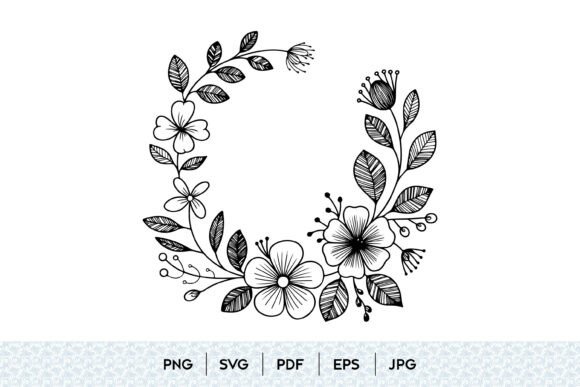
There’s an undeniable charm to a simple, hand-drawn circle of leaves and flowers. It feels both timeless and personal, a quiet nod to nature that can soften a digital interface or add a touch of elegance to a printed page. This is the core appeal of Floral Wreath Line Art. It’s not just a decorative element; it’s a flexible design framework that communicates growth, celebration, and organic beauty through its minimalist, contour-based form. For designers and creators, having a high-quality, editable version of this motif is like having a key to unlock countless visual solutions.
The Visual Language of a Simple Circle
What makes a floral wreath so effective? Its power lies in its simplicity and symbolism. The unbroken circle suggests unity, continuity, and wholeness. When rendered in line art, it sheds visual weight, becoming a delicate botanical frame that can adapt to any color scheme or background. This monochrome floral style is inherently minimalist, yet it carries the complexity of nature—each leaf and petal is a deliberate stroke. This duality allows it to function across a spectrum of styles, from rustic and boho to modern and elegant.
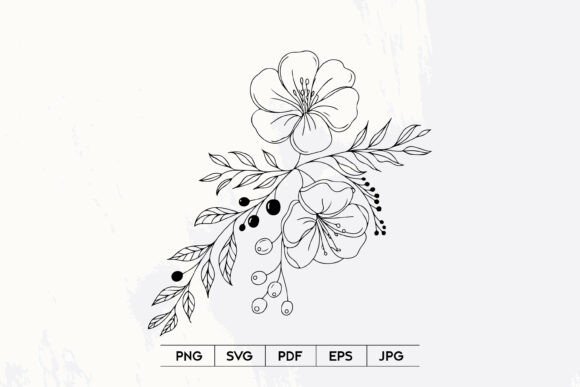
The true utility of a asset like this, especially one provided in multiple formats (SVG, PNG, EPS, JPG, PDF), is its editability. A scalable vector format like SVG or EPS means you can recolor individual elements, adjust the weight of the lines, or seamlessly integrate the wreath illustration into a larger composition. You might use a floral ornament as is, or deconstruct it to use its leaf illustration and blooming flowers as separate clipart pieces for a custom floral arrangement.
From Brand Identity to Everyday Marketing
Where does a floral wreath find its home in real-world projects? The applications are surprisingly broad, bridging the gap between digital and physical, personal and commercial.
Building a Cohesive Brand: For a boutique, a wedding planner, a bakery, or a wellness coach, a botanical wreath can become the cornerstone of a brand identity. Imagine a logo where the business name is nestled within a custom-drawn floral circle. This same wreath illustration can then extend to packaging stickers, thank-you cards, and social media profile frames, creating instant visual consistency and brand recognition. The hand-drawn flowers add a human touch that feels authentic and approachable.
Digital & Print Ecosystems: The versatility shines in multi-channel use. As a web designer, you could use a subtle, watermarked floral pattern as a website background or frame a featured blog post with a decorative border. For social media graphics, a wreath is perfect for framing announcements, quotes, or profile pictures. In editorial design, it can elegantly introduce a new chapter in a magazine or book. The included printable formats make it ready for posters, invitations, and merchandise like tote bags or mugs.
Practical Advice for Seamless Integration
Having the asset is one thing; using it effectively is another. Here’s how to ensure your floral line art enhances, rather than clutters, your work.
Context is King: Match the wreath’s style to your project’s personality. A tight, symmetric floral circle with precise lines suits modern floral art and tech startups wanting a soft touch. A looser, more organic botanical sketch with varying line weights feels perfect for rustic designs, artisanal products, or wedding wreaths. The vintage floral aesthetic often involves more intricate, detailed drawings.
Mastering Composition: Don’t just plop it down. Use the wreath to create visual hierarchy. Place your primary text or central image inside the wreath to draw the eye. Use it as a standalone decorative element in a corner to balance a layout. Scale it down to become a subtle floral ornament or a set of flower clipart icons. The key is to let it support your message, not overshadow it.
Pairing with Typography: This is where font pairing becomes critical. The delicate nature of line art often calls for typefaces with similar qualities. A graceful script font or an elegant serif font can complement the wreath’s sophistication for an invitation or logo design. For a cleaner, more modern look, pair it with a sans serif font with generous spacing. Always test the pairing at the intended size to ensure readability—the wreath should frame the text, not fight with it.
Beyond the Basic Wreath: A Toolkit for Creativity
Think of this floral vector file not as a single image, but as a toolkit. The editable SVG is your playground. You can:
- Change the stroke color to match a client’s brand palette.
- Remove elements to create a simpler leaf border.
- Duplicate and rearrange components to build a unique floral pattern or botanical frame.
- Incorporate it into a larger aesthetic artwork for a digital product like a planner printable or a desktop wallpaper.
This level of customization is what separates a generic flower outline from a true design asset. It empowers you to create professional presentation materials that feel bespoke, whether you’re a small business owner designing your own packaging or a marketing professional developing a suite of campaign graphics. The garden flowers and botanical art elements within the wreath offer endless possibilities for creative reuse, making it a valuable addition to any designer’s library.